
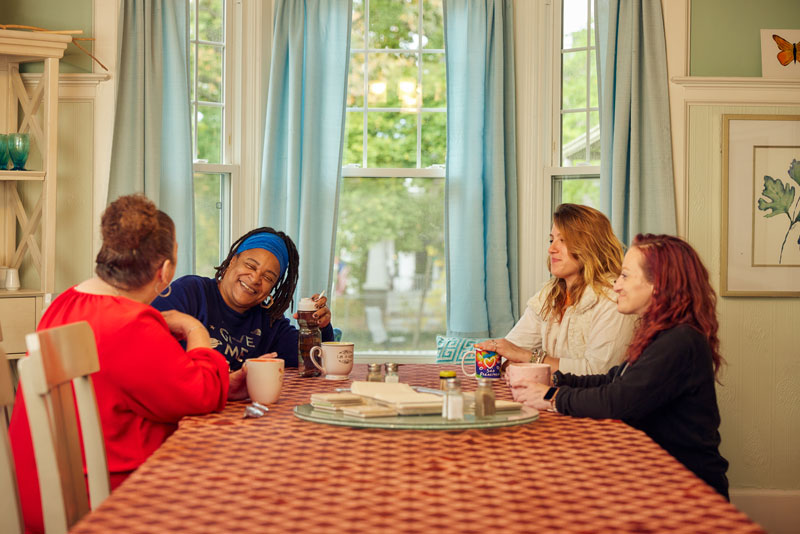
Taking skillful aim, a reentry program racks up a 93% success rate.
Spiritus Christi Prison Outreach has done a lot of things in 45 years. Run a restaurant staffed by residents of its first prison reentry program. Established a scattered-site rehousing program. Supported women who were unsentenced and living in Monroe County Jail—a place of broken toilets, leaky ceilings, and a smell so ghastly the county sheriff once called it “inhumane.” And, in 2025 alone, SCPO housed 133 adults in 78 supported housing apartments and 30 transitional beds in the Rochester, New York, area.
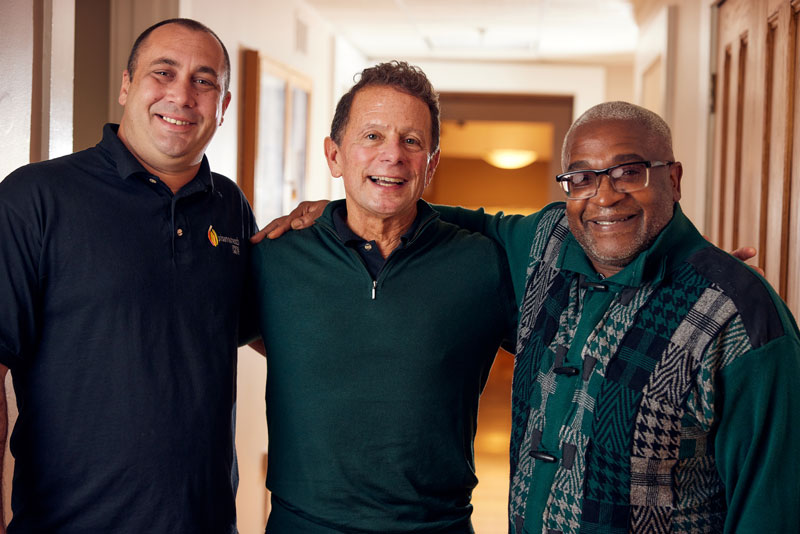
But throughout the 45 years, SCPO’s approach has remained the same: “What hasn’t changed is really our person-centeredness,” says Executive Director Jim Smith. “We’ve focused very much on the individual.”
That’s a powerful ingredient in a rich recipe that includes shared meals, thriving gardens, creative outlets, alumni mentors, and staff with lived experience who understand the challenges firsthand. “You might be the only person in years who has talked to this person like they’re human,” Elizabeth Martinez, director of operations, says. “If we can’t respect our residents, we’re not going to get anywhere in the work that we do.”
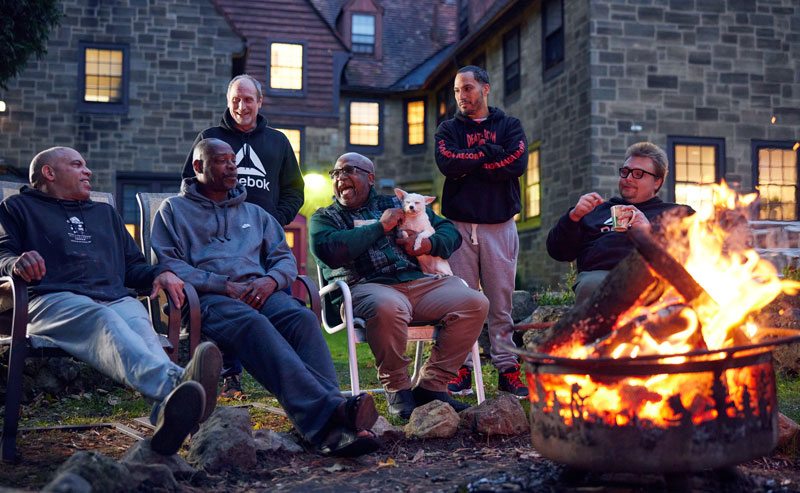
Meanwhile, more than a dozen partners, including Helio Health, Monroe County Mental Health Court, Rochester Area Parent Program, and RocDog therapy dogs, provide services and expertise. “We don’t need to be good at everything. We need to be good at what we’re good at,” Smith says. The result: Some 92% of participants successfully reenter the community without recidivism, and a large percentage volunteer for SCPO, sometimes for decades. Another measure: SCPO’s cost to support one resident for one year runs about $16,000, which is about one-eighth the cost of a year in Monroe County Jail.
But perhaps the best measure of SCPO’s work is nestled in the organization’s core belief, that a person should never be defined by the worst thing they have done. Instead, they might be measured by the challenges they have overcome—with a little help from an attentive community.